Farm Life…
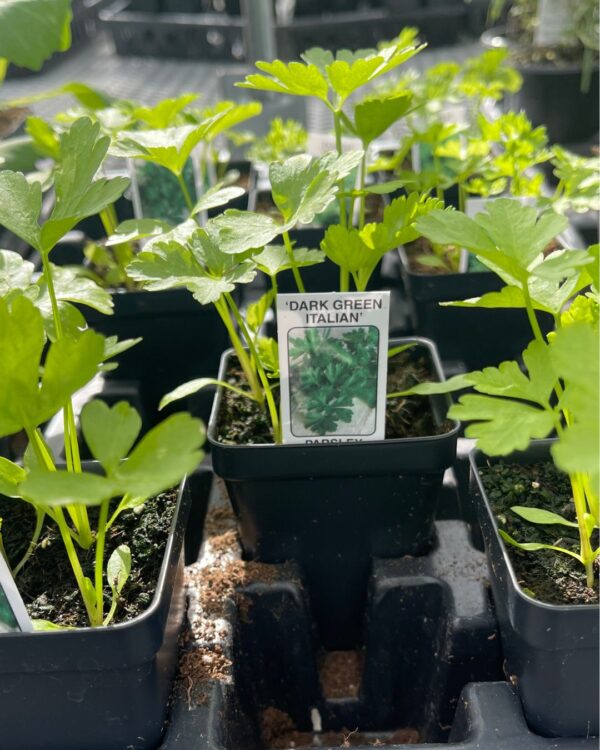
What to Plant Together in Zone 8b: Easy Cool-Season Combos for a Productive Garden
Late Winter | Early Spring Planting
There is something especially satisfying about a spring garden filled with crisp greens, colourful stems, and sturdy vegetable starts ready to settle in. In Zone 8b, cool-season planting gives gardeners a long, rewarding window to grow fresh food before summer heat arrives.
At Holden Lake Farm & Garden, we love helping customers build gardens that are simple, beautiful, and productive. These vegetable starts are a perfect example of Quality you can see—fresh, vigorous, and ready to grow.
For gardeners in Nanaimo, BC and similar Zone 8b coastal climates, many of these crops can be planted in late winter through spring, then planted again in late summer for a fall harvest. That means one crop can often turn into two seasons of success.
Start with crops that enjoy the same conditions
One of the easiest ways to decide what to plant together is to group vegetables by what they like.
Most of the starts in these photos prefer:
Full sun to light shade.
Cool weather.
Even moisture.
Rich, well-worked soil.
That makes them ideal companions in the same raised bed or garden row, as long as you still give each plant enough room to mature.
Best cool-season combinations from these trays
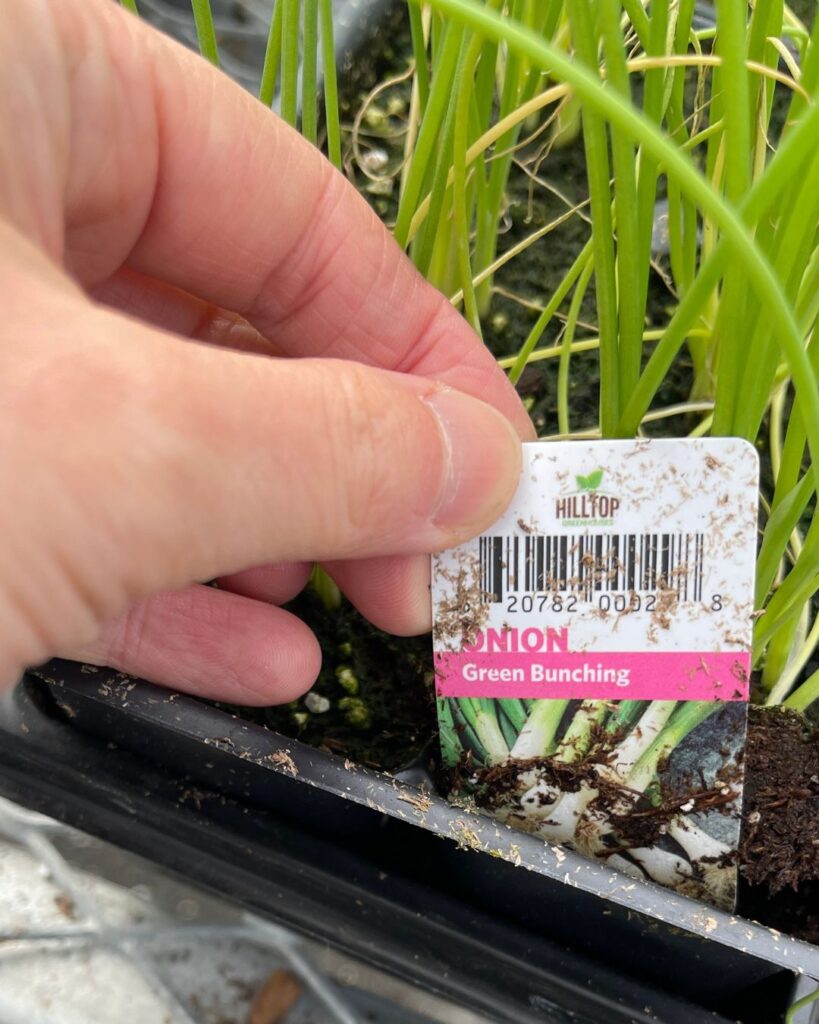
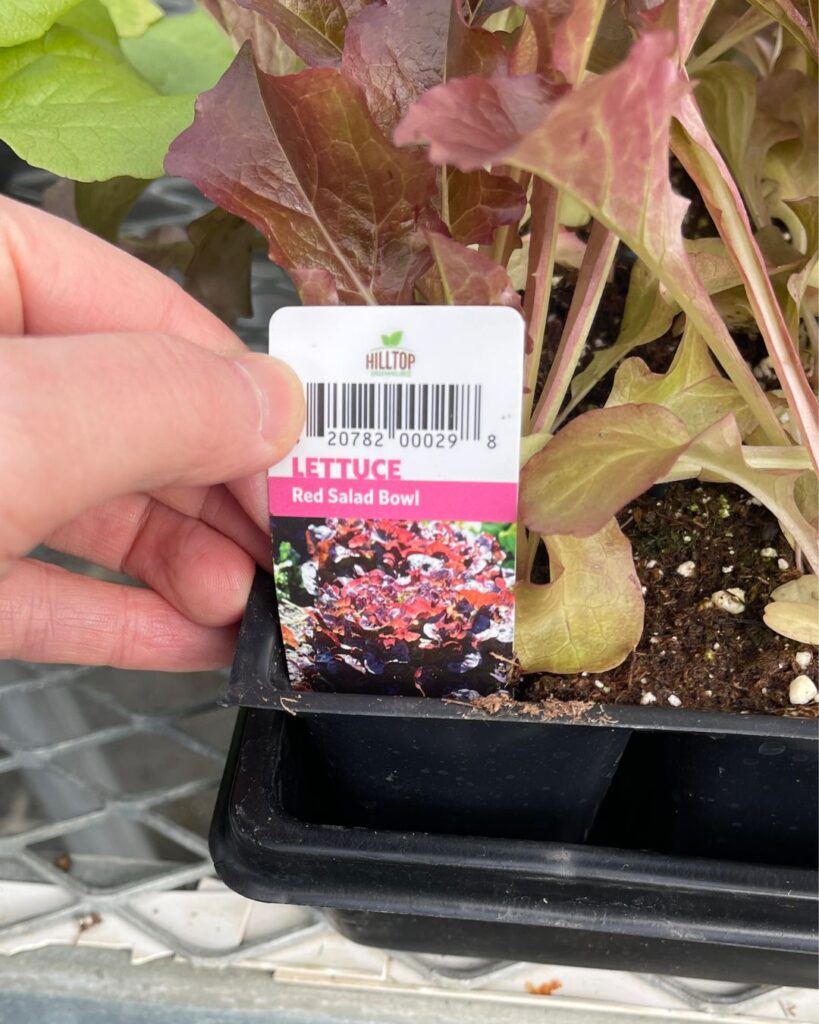
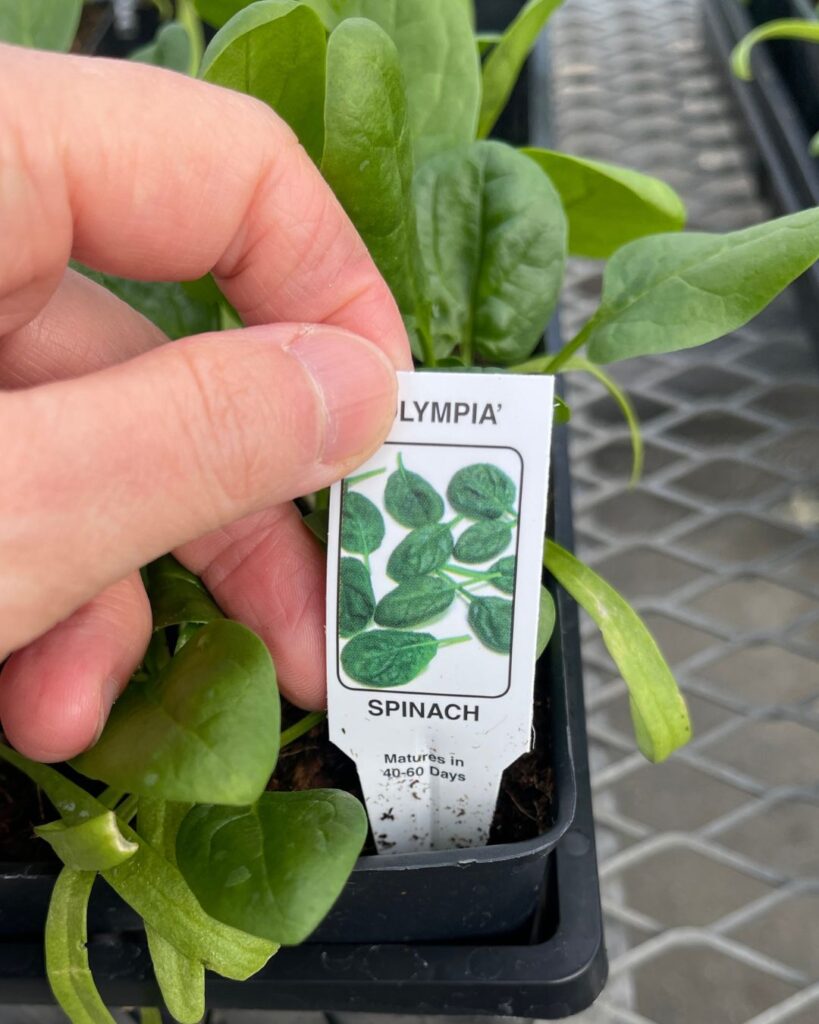
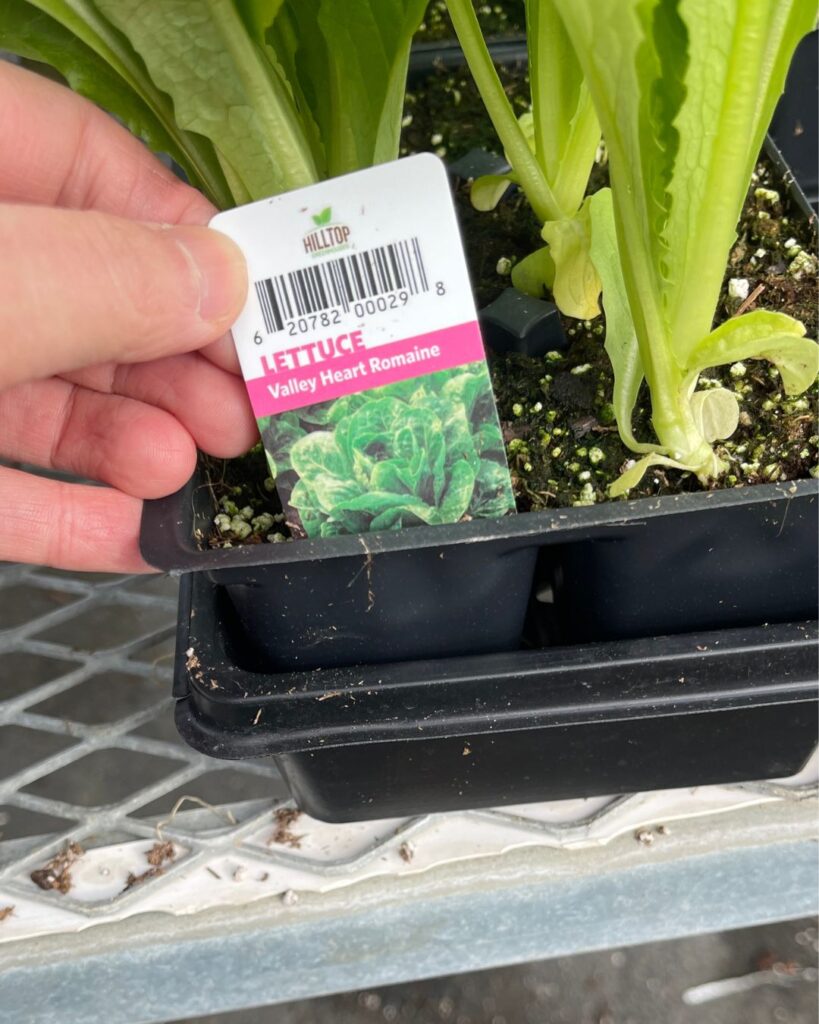
1. The salad bed
Plant these together for a cut-and-come-again harvest:
Romaine lettuce
Red Salad Bowl lettuce
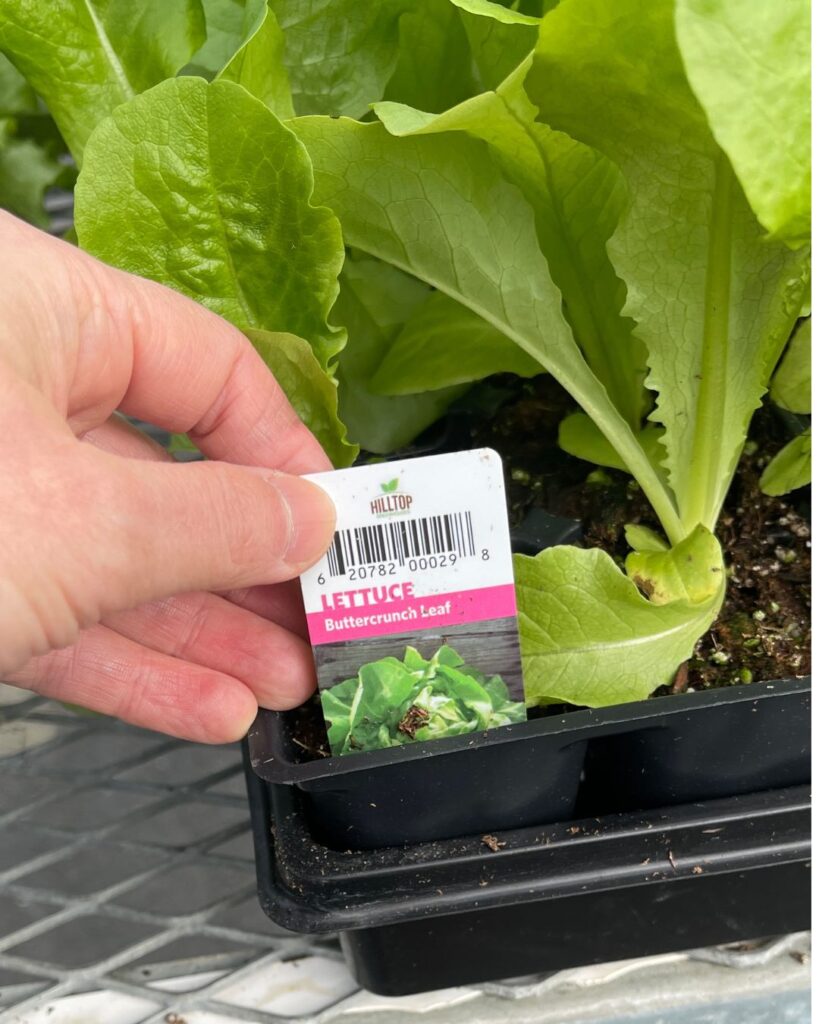
Buttercrunch lettuce
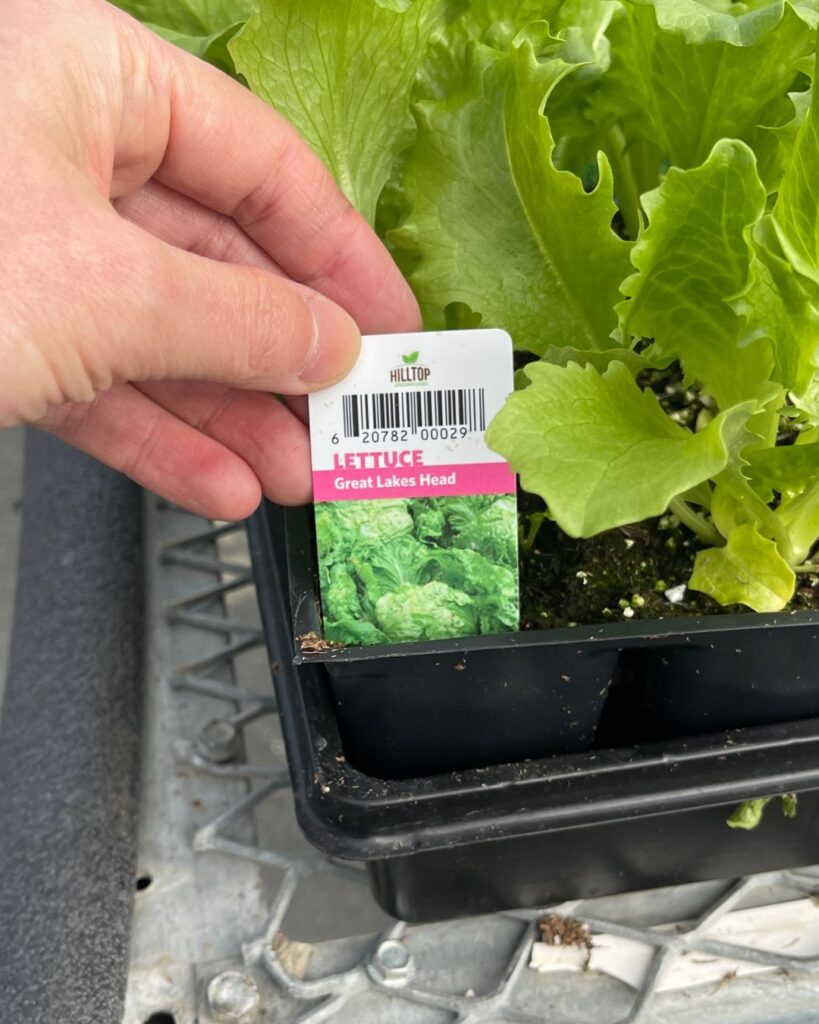
Great Lakes head lettuce
Spinach
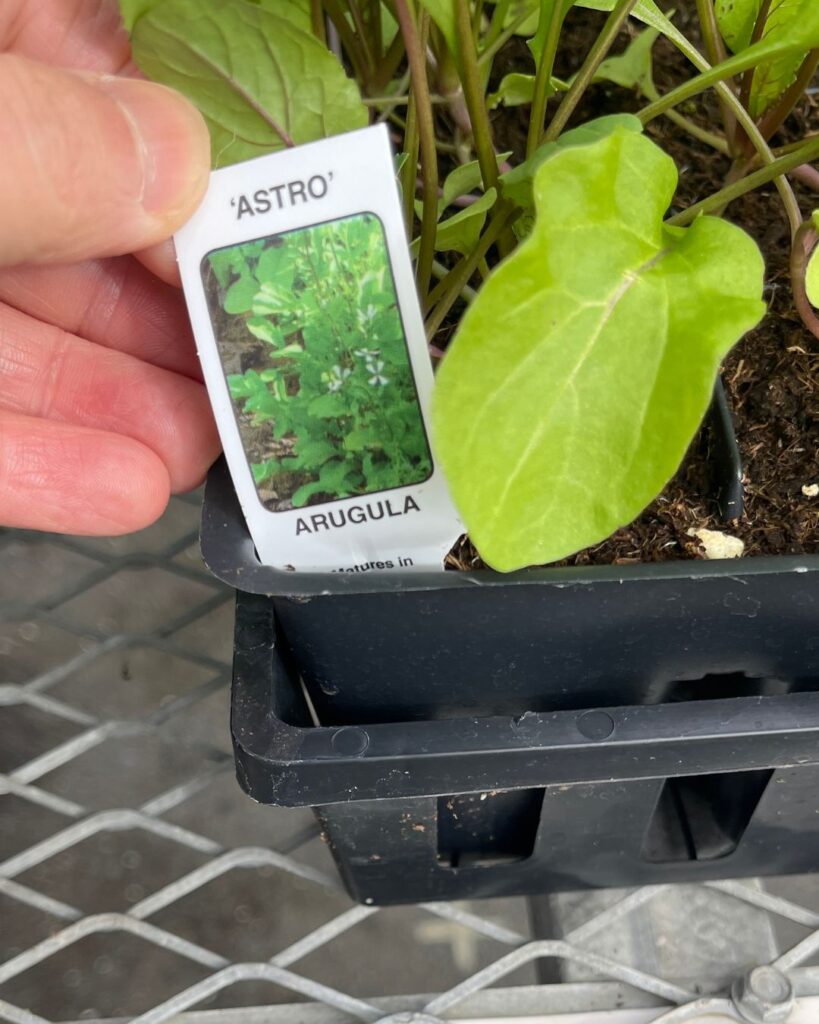
Arugula
Green bunching onions
This is one of the easiest and most rewarding combinations for Zone 8b. The lettuces, spinach, and arugula all grow quickly in cool weather, and green bunching onions tuck in neatly between them without taking much space.
This combo works especially well for raised beds, containers, or kitchen gardens close to the house. You can harvest a little at a time and keep the bed looking lush and full.
Best planting time in Zone 8b:
Late January through April for spring harvests, then again from late August into September for fall growing.
2. The root-and-leaf bed
These are excellent planted in the same area:
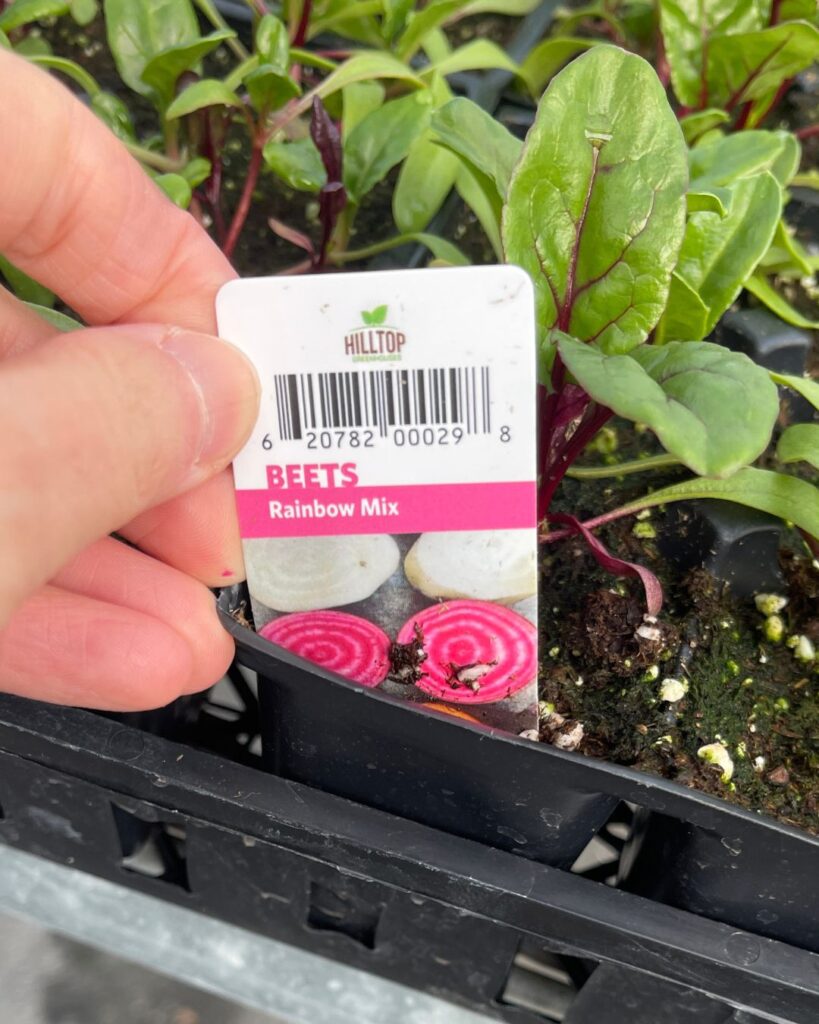
Beets ‘Rainbow Mix’
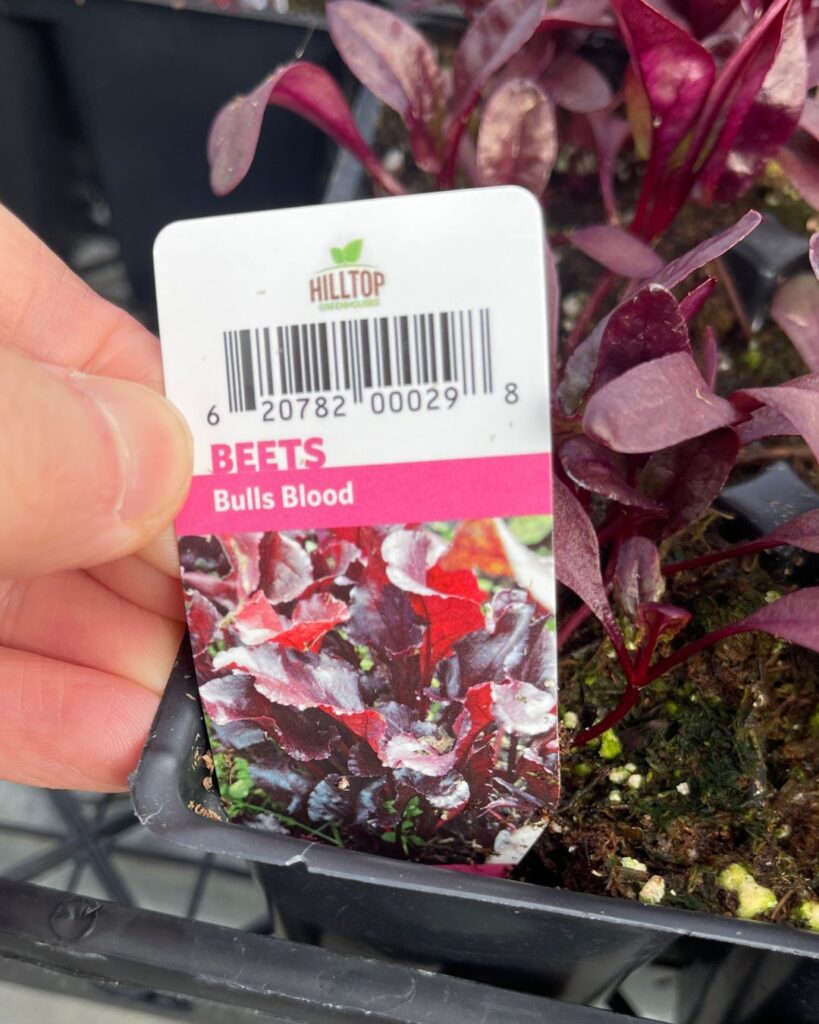
Beets ‘Bulls Blood’
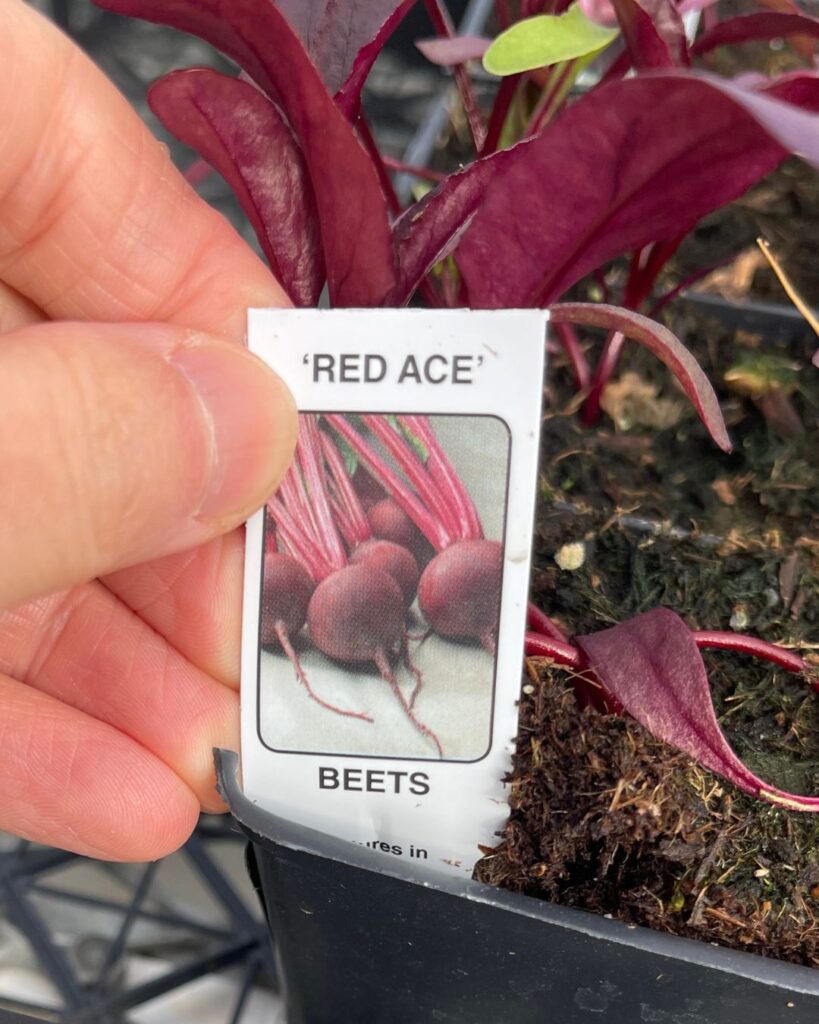
Beets ‘Red Ace’
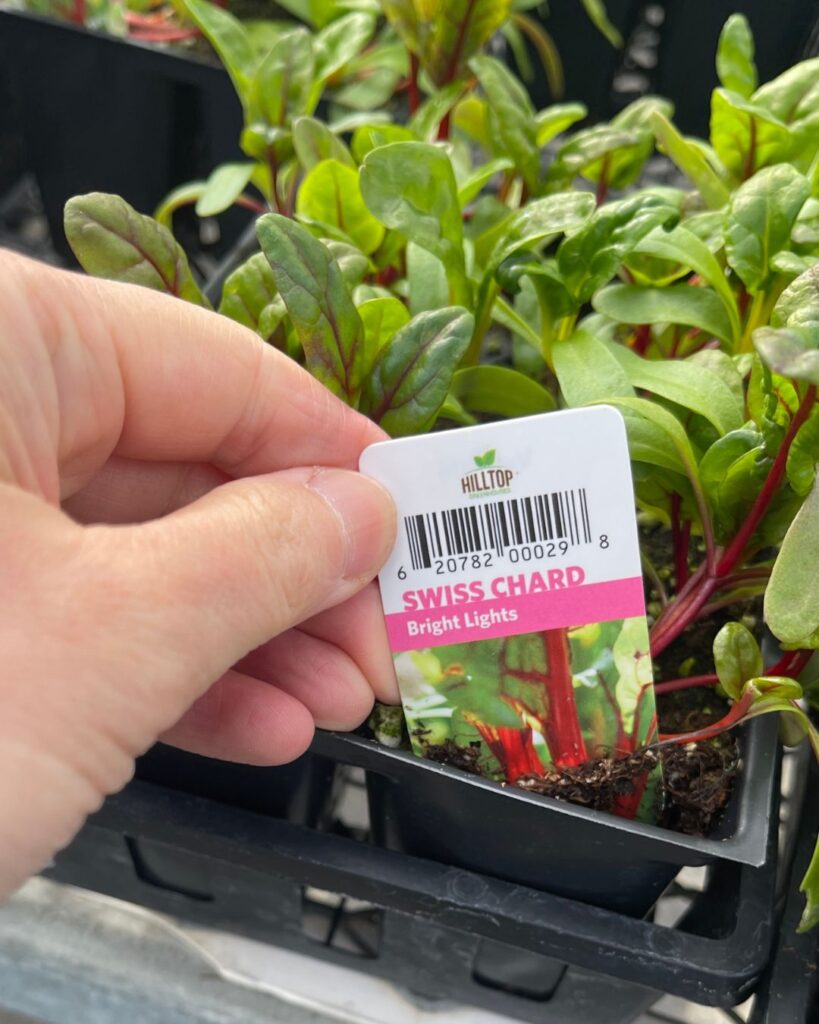
Swiss Chard ‘Bright Lights’
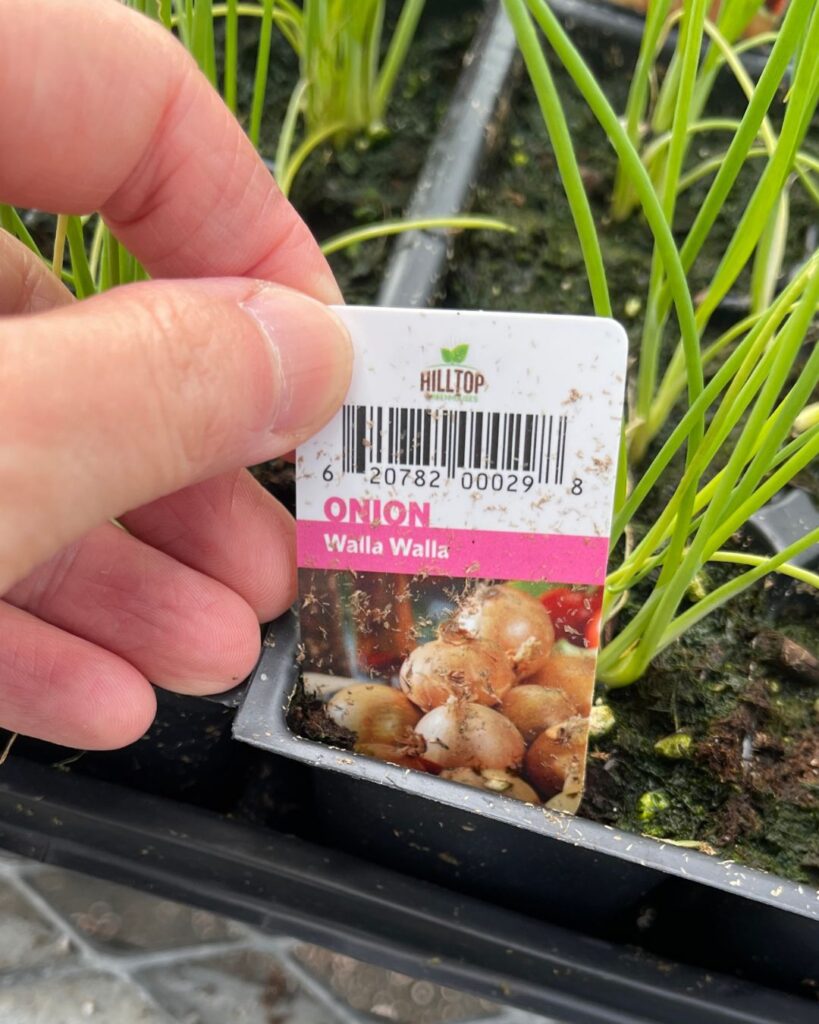
Walla Walla onions
Beets and Swiss chard are close relatives, so they enjoy similar growing conditions. They make a beautiful pairing too, with rich green leaves, ruby stems, and bright colour in the garden. Walla Walla onions are a good neighbour because they stay upright and do not crowd these lower-growing crops.
This bed gives you a mix of roots and greens, which makes it practical for gardeners who want steady harvests from a small space.
Best planting time in Zone 8b:
February through April, with another excellent window in August and early September.
3. The brassica bed
These belong together because they all enjoy cool weather and fertile soil:
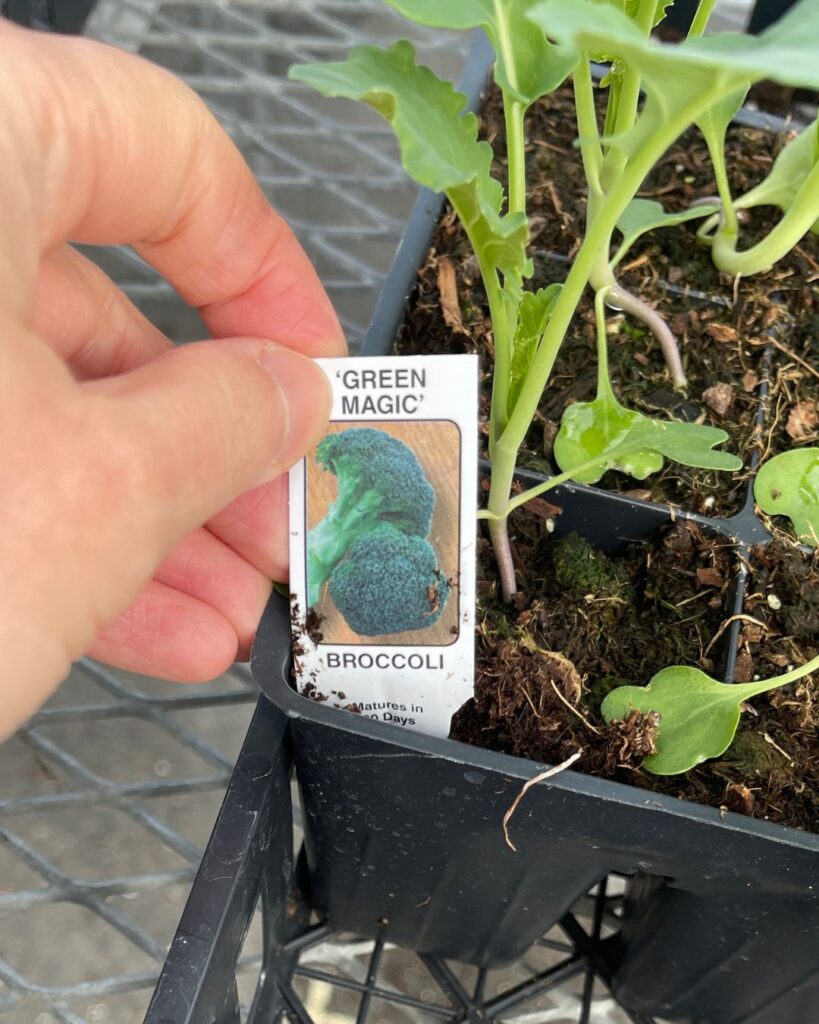
Broccoli ‘Green Magic’
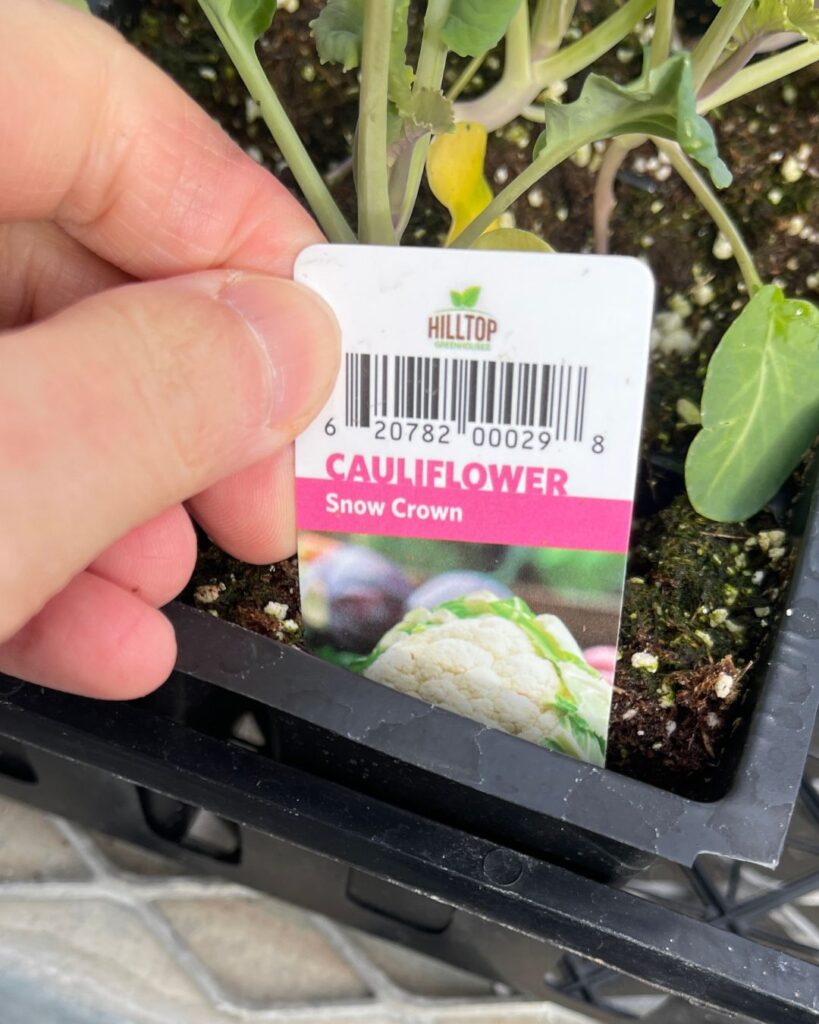
Cauliflower ‘Snow Crown’
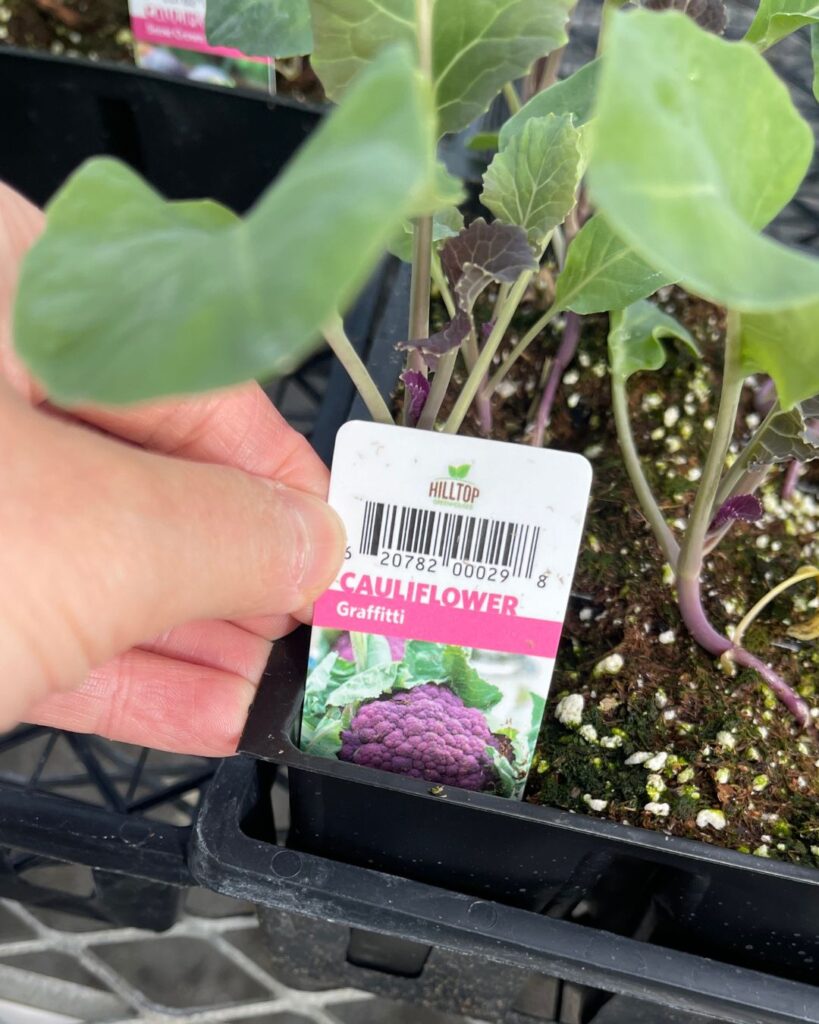
Cauliflower ‘Graffiti’
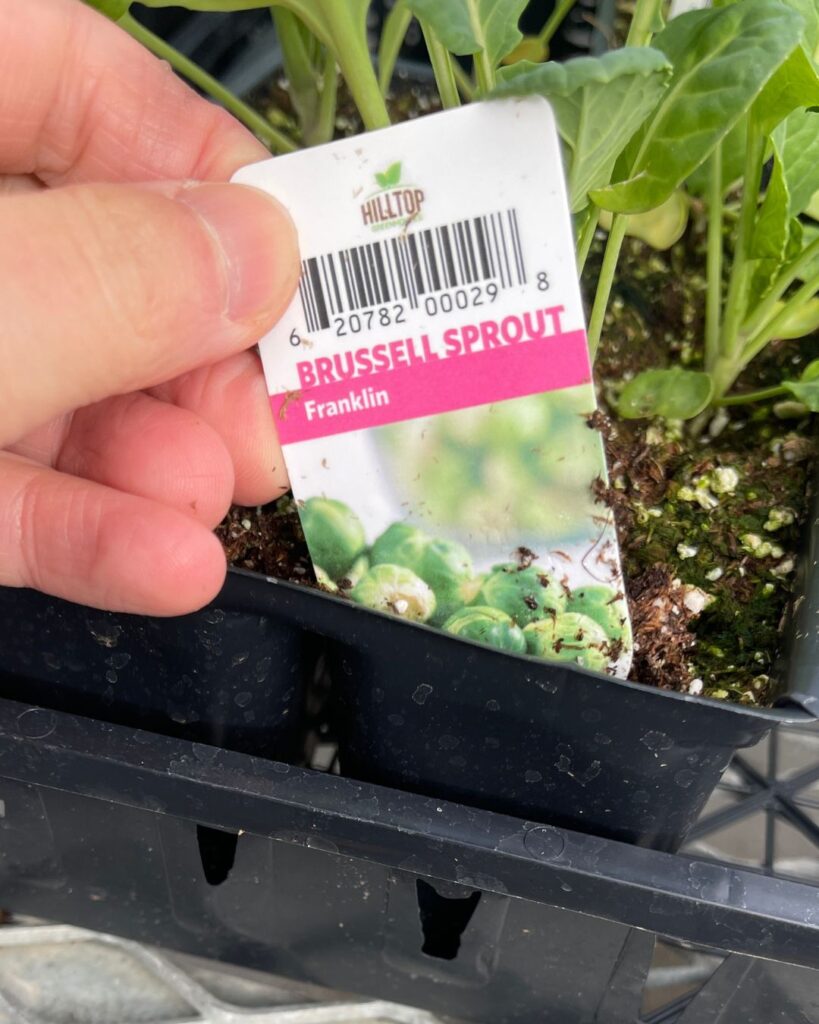
Brussels Sprout ‘Franklin’
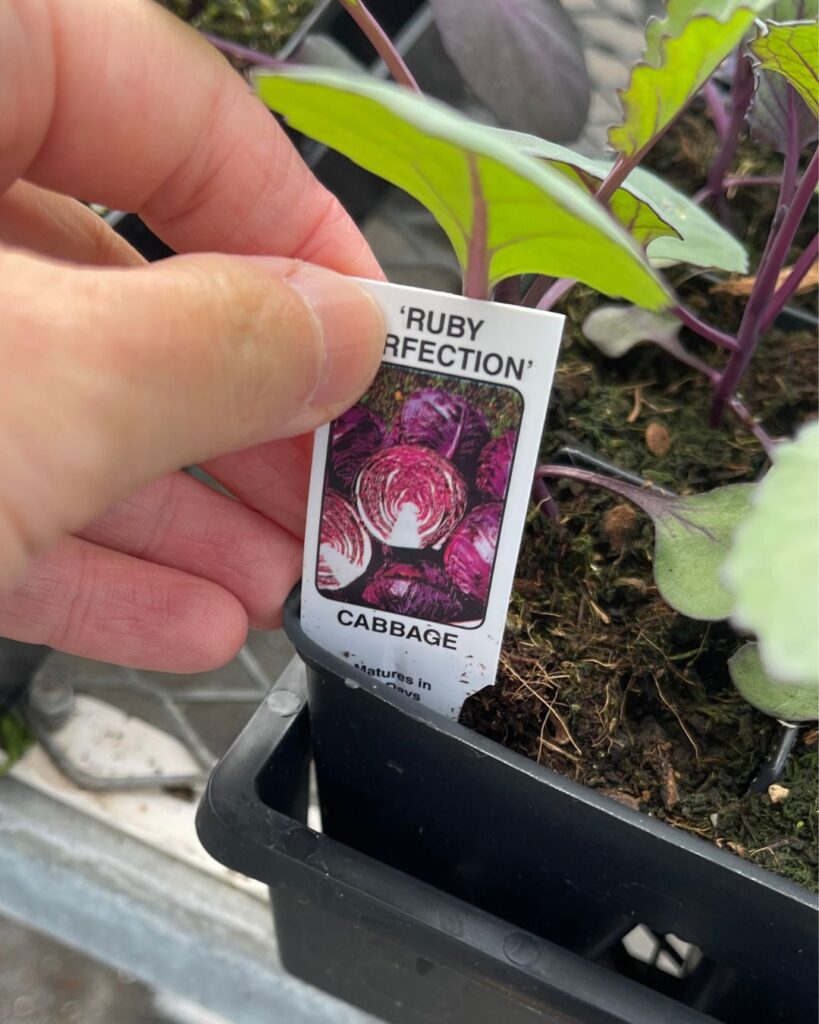
Cabbage ‘Ruby Perfection’
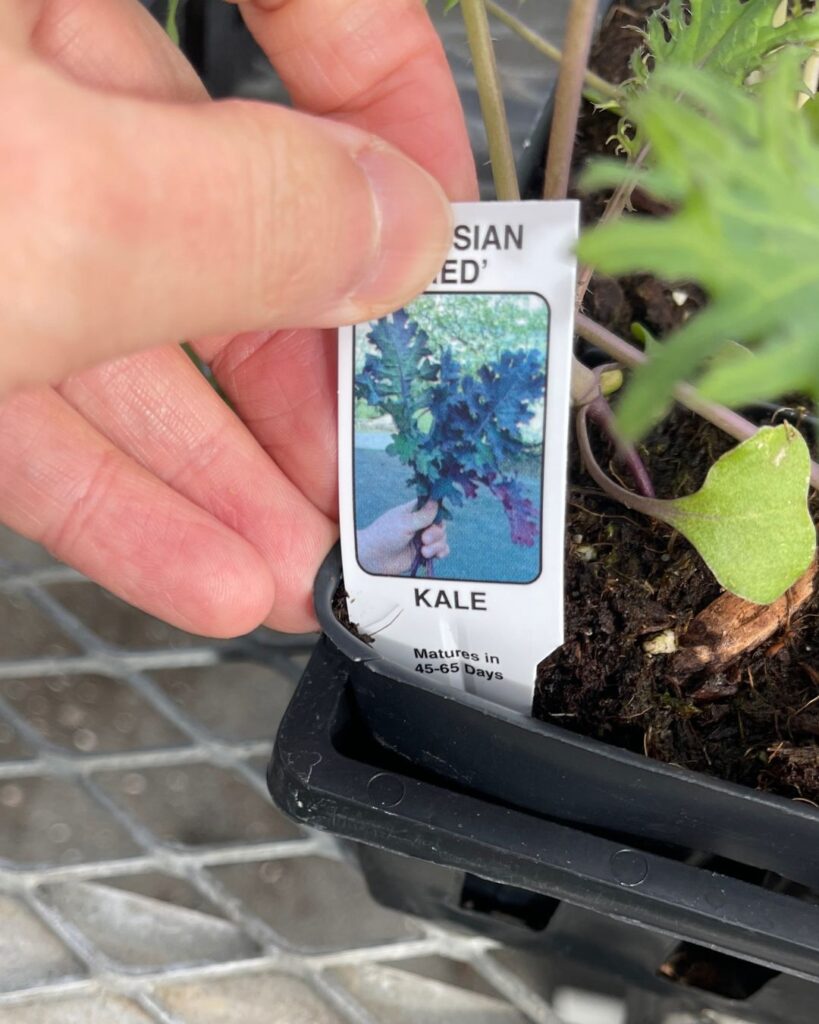
Russian Red Kale
These crops are heavier feeders and benefit from being grown in the same bed so you can prepare the soil well with compost and keep moisture consistent. Kale is especially useful here because it can be harvested over a long period while the heading crops mature.
This grouping is ideal for gardeners planning meals ahead—broccoli for side dishes, cauliflower for roasting, kale for soups and salads, cabbage for slaws, and Brussels sprouts for late-season picking.
Best planting time in Zone 8b:
For spring and early summer harvests, plant from February through April.
For fall and winter harvests, plant again in July through early September, depending on the crop.
4. The vertical-and-underplant combo
A smart pairing for small gardens:
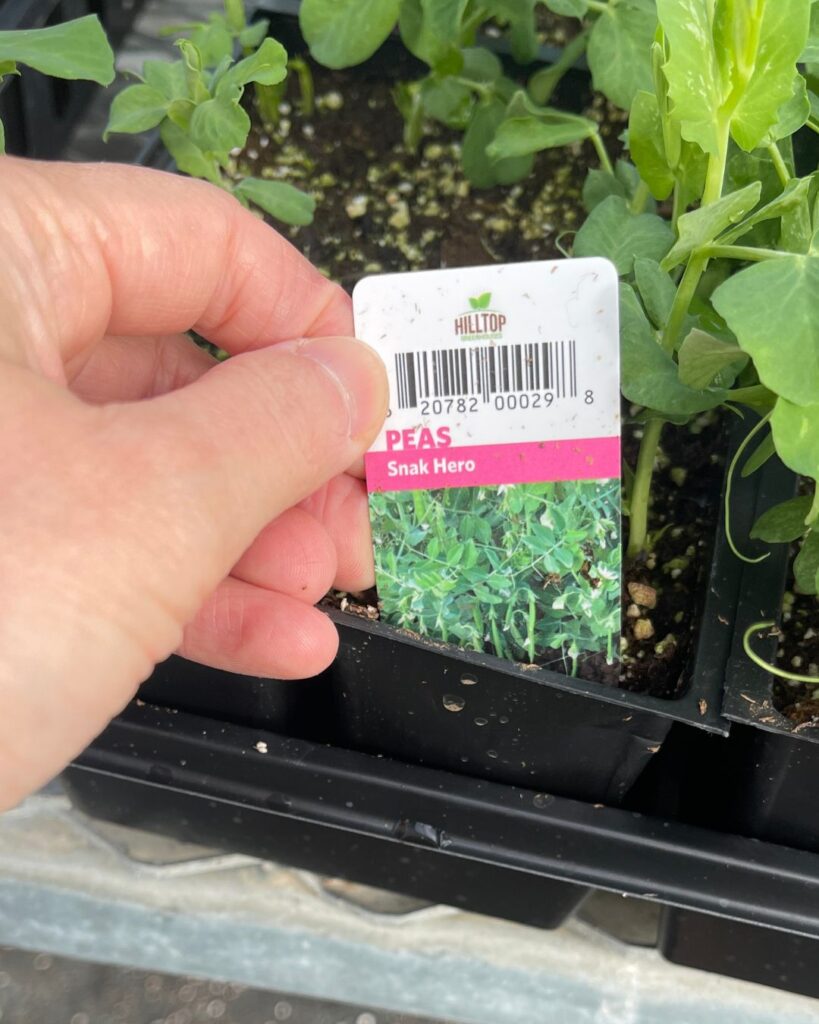
Peas ‘Snak Hero’
Spinach
Lettuce
Arugula
Peas climb upward, while spinach, arugula, and lettuce stay low. That makes them a natural combination in raised beds and narrow rows. Add a trellis or support for the peas, then plant the greens below and around them.
This is a wonderful way to maximize a compact garden while keeping everything easy to harvest.
Best planting time in Zone 8b:
Late winter to early spring, usually January through March, before hot weather arrives.
What not to crowd together
Even when crops grow well in the same bed, they should not be planted too tightly.
Broccoli, cauliflower, cabbage, and Brussels sprouts all need more room than salad greens. Give those larger plants enough spacing so they can form full heads or sprouts without competing for airflow and nutrients.
A good rule is this: lettuces and greens can be grouped more closely, but brassicas need breathing room.
A simple planting plan for Zone 8b
If you are just getting started, here is an easy layout:
One bed for lettuces, spinach, arugula, and bunching onions.
One bed for beets, Swiss chard, and sweet onions.
One bed for broccoli, cauliflower, cabbage, kale, and Brussels sprouts.
One trellis area for peas, with greens planted underneath.
This kind of layout keeps watering and feeding simple, and it helps your garden look organized and abundant from the start.
When to plant in Zone 8b
For most coastal Zone 8b gardens, these crops are best planted in two main seasons.
Late winter to spring:
January through April is the main window for cool-season planting.
Late summer to fall:
August through September is the second big opportunity, especially for kale, cabbage, broccoli, cauliflower, beets, chard, spinach, and lettuce.
Peas usually perform best in the cooler spring window, though fall planting can also work in mild areas.
Because local weather can shift from year to year, it is always wise to plant by conditions as much as calendar date. Cool soil, moderate temperatures, and steady moisture help these crops settle in beautifully.
Why these combinations work so well
Planting crops with similar needs saves time and helps gardeners succeed. Instead of managing every vegetable differently, you can group cool-season crops that all appreciate the same rhythm of watering, feeding, and harvest.
That is especially helpful for busy gardeners who want a beautiful, edible space without overcomplicating it.
It also fits perfectly with what more customers are looking for now: productive gardens, practical planting ideas, and simple ways to grow more food at home.
Grow a garden with purpose
Cool-season vegetables are some of the most rewarding plants to grow in Zone 8b. They bring freshness to the kitchen, structure to the garden, and a real sense of progress early in the season.
From colourful beets and Swiss chard to crisp lettuces, peas, broccoli, kale, and cauliflower, these combinations make it easy to grow more in the space you have.
At Holden Lake Farm & Garden, we believe in helping gardeners plant with confidence and enjoy the season longer. Island grown quality you can see and taste.
Where quality takes root, from rare finds to timeless favourites.