Farm Life…
Fertilizers 101: When to Feed Your Plants and How Much to Use
Plant Health
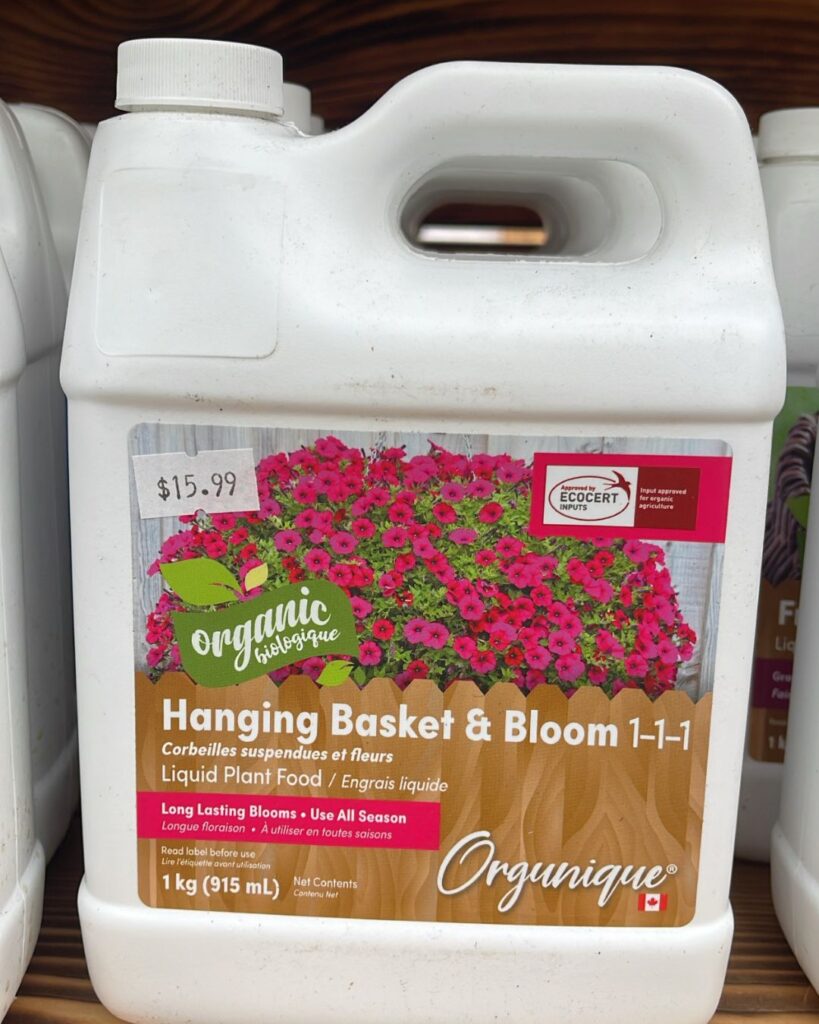
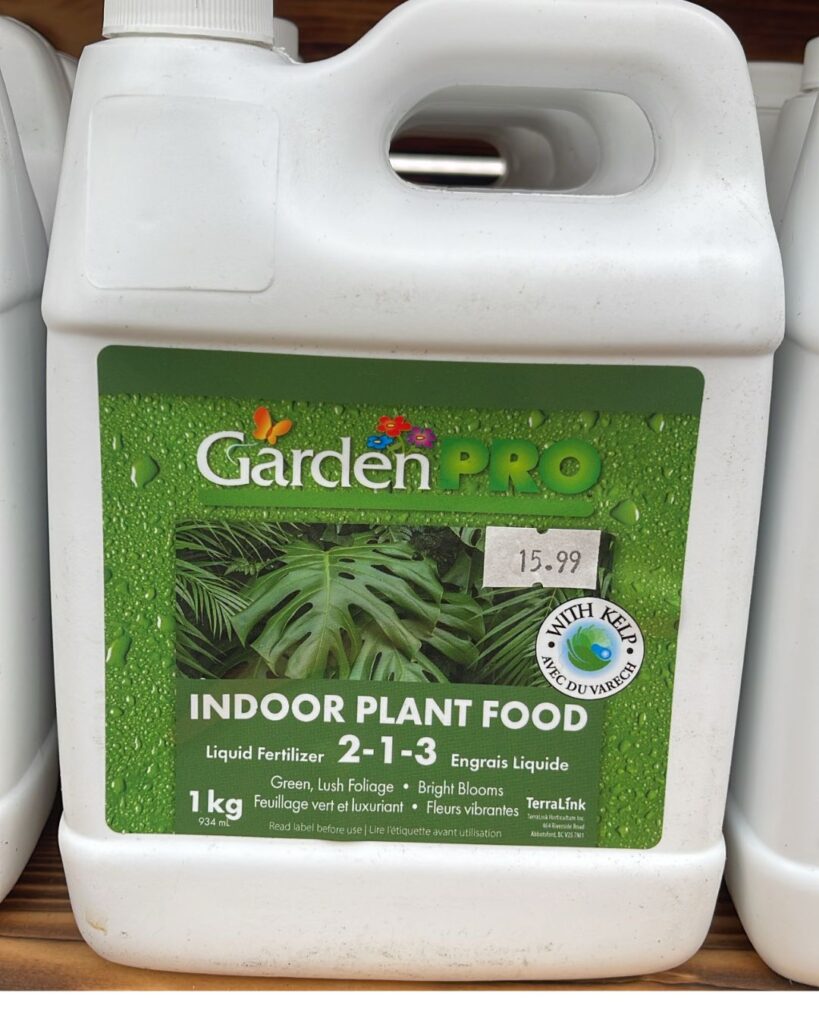
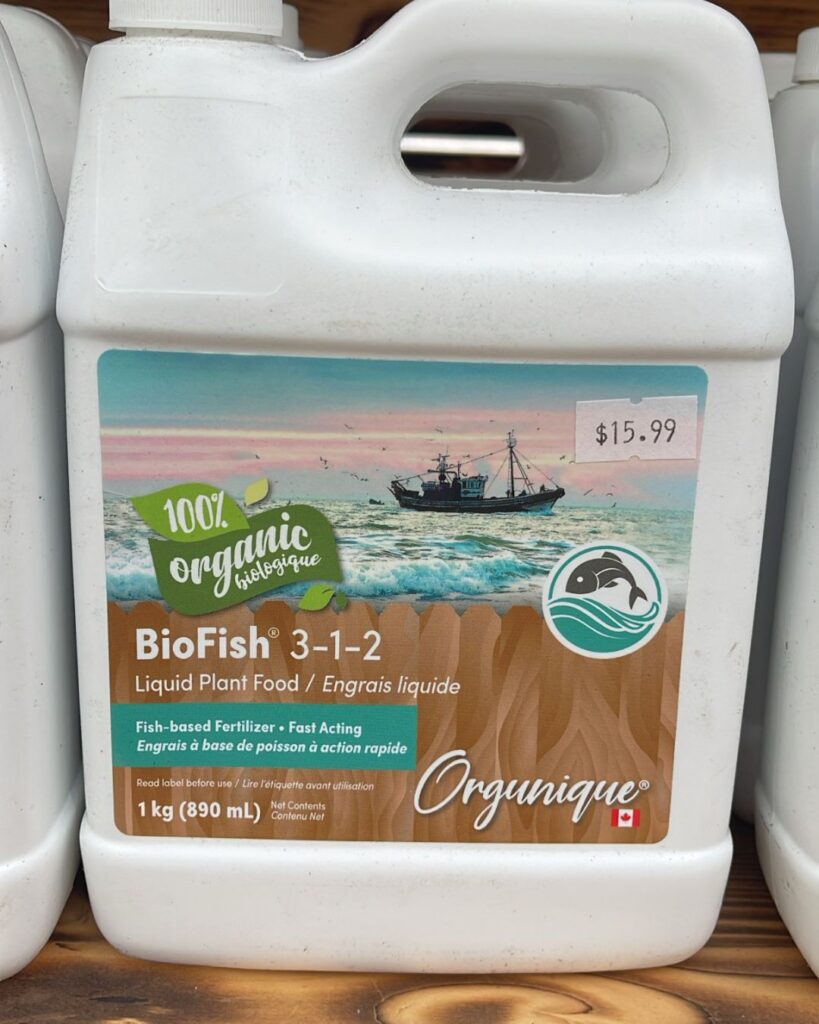
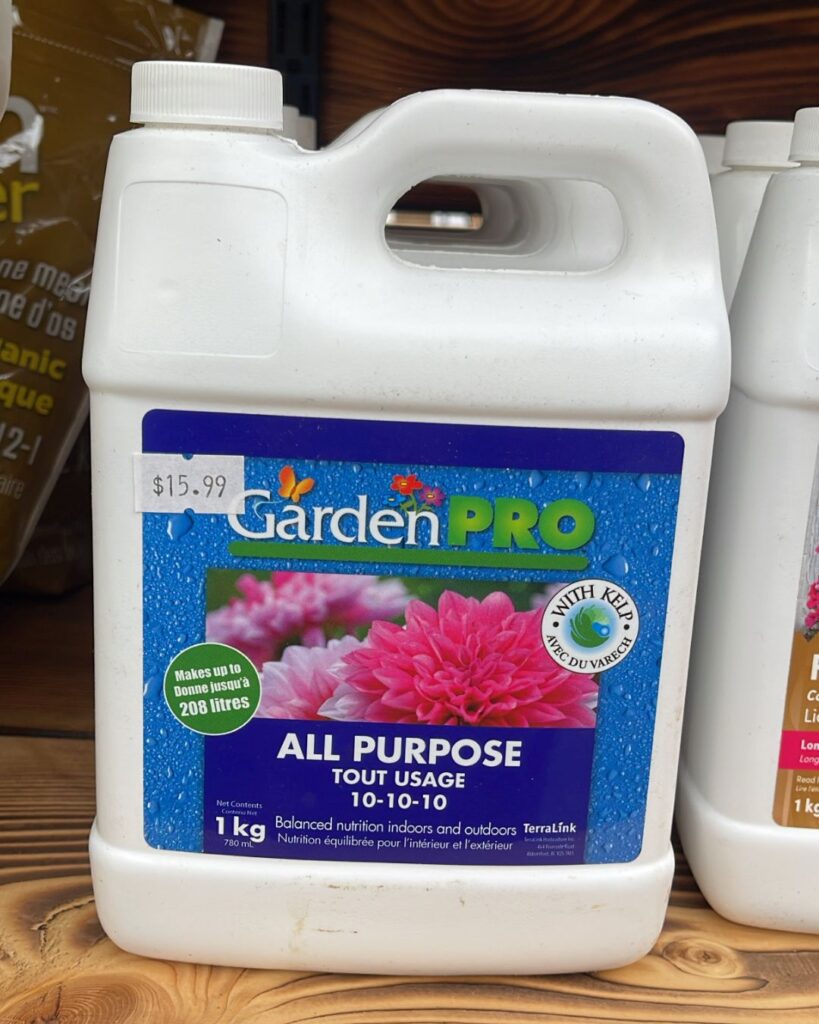
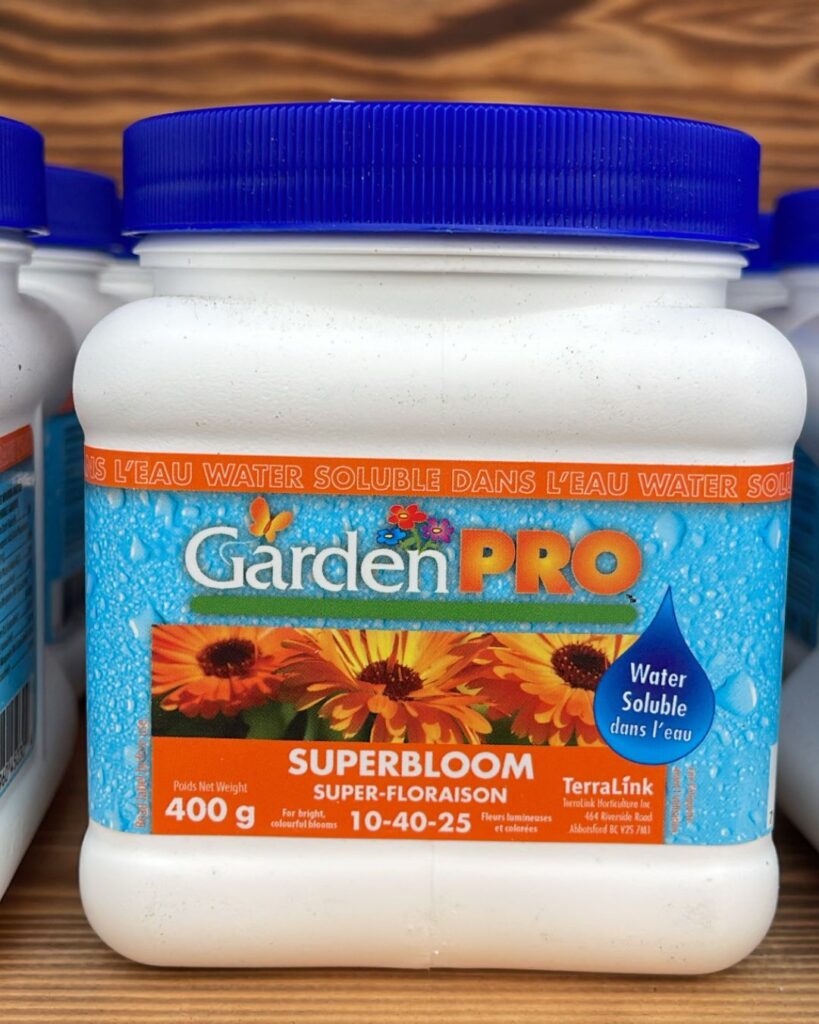
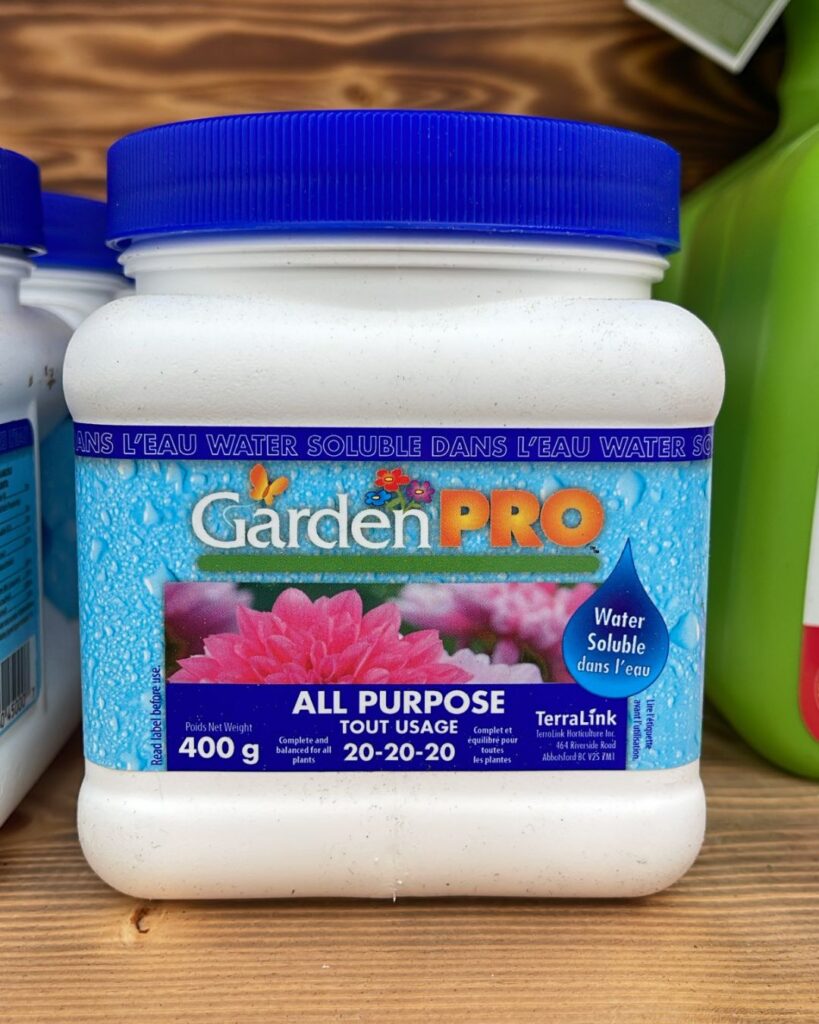
Healthy plants start with good soil, steady watering, and the right nutrients at the right time. Fertilizer is not about forcing growth. It is about giving your flowers, fruit, veggies, and houseplants the extra support they need to grow strong roots, lush leaves, bright blooms, and better harvests.
At Holden Lake Farm & Garden in Nanaimo, BC, we carry fertilizers for indoor plants, flowers, fruit, berries, vegetables, and all-purpose garden care. Whether you are feeding a favourite houseplant, refreshing your patio planters, or helping your strawberries and tomatoes along, a little guidance goes a long way.
Island grown quality you can see and taste.
Why Use Fertilizer?
Plants use nutrients from the soil as they grow. In garden beds, containers, hanging baskets, and raised planters, those nutrients can run low over time, especially with regular watering.
Fertilizer helps replace what plants use up.
It can support:
Stronger root growth
Greener leaves
More blooms
Better fruit and vegetable production
Healthier hanging baskets and containers
Longer-lasting seasonal colour
For container gardens and hanging baskets, fertilizer is especially helpful because nutrients wash through the soil more quickly than they do in the ground.
Understanding the Numbers on Fertilizer
Most fertilizers have three numbers on the label, such as 2-1-3, 3-1-2, or 10-10-10.
These numbers stand for:
Nitrogen: supports leafy green growth
Phosphorus: supports roots, flowers, and fruiting
Potassium: supports overall plant strength and resilience
You do not need to overthink it. The main thing is to choose the fertilizer that matches what you are growing.
Indoor Plant Food: For Houseplants and Lush Foliage
A fertilizer like Garden PRO Indoor Plant Food 2-1-3 is designed for houseplants and indoor greenery.
Use it for plants such as pothos, philodendrons, monsteras, peace lilies, and other leafy indoor favourites.
When to use:
Feed indoor plants during their active growing season, usually spring through early fall. Most houseplants slow down in winter and need less fertilizer during the darker months.
How much to use:
Always follow the label directions. In general, liquid indoor plant food is diluted in water and applied when you water your plant.
A good rule is to feed lightly and consistently rather than using too much at once. If your plant is looking tired, pale, or slow to grow during spring or summer, it may be ready for a gentle feeding.
Quality you can see, from leaf to bloom.
BioFish 3-1-2: For Fruit, Berries, Veggies, and Garden Plants
BioFish 3-1-2 is an organic fish-based liquid plant food. It is a good option for gardeners looking to support fruiting plants, berries, vegetables, shrubs, and general outdoor growth.
Use it for:
Strawberries
Blueberries
Raspberries
Tomatoes
Peppers
Vegetable gardens
Fruit trees
Shrubs and garden beds
When to use:
Start feeding once plants are actively growing. For fruiting plants and vegetables, this is often after transplanting, once the plant has settled in and is beginning to put on new growth.
How much to use:
The label shown recommends mixing 20–40 mL, or about 1–3 tablespoons, into 1 litre of water.
For fruit trees: apply every 7–8 days.
For small fruit, shrubs, and plants: apply every 7–10 days.
Use enough mixed fertilizer solution to wet the root zone. For an extra boost, it can also be used as a light foliar spray at 10 mL, or 2 teaspoons, per litre of water.
As always, shake well before use and read the product label before applying.
All Purpose 10-10-10: For Flowers, Veggies, and General Garden Care
An all-purpose fertilizer like Garden PRO All Purpose 10-10-10 offers balanced nutrition for indoor and outdoor use.
This is a helpful choice when you want one simple fertilizer for mixed gardens, patio containers, flowers, and vegetables.
Use it for:
Annual flowers
Planters
Hanging baskets
Vegetable gardens
Mixed patio pots
Outdoor containers
When to use:
Use during active growth, especially in spring and summer. This is when flowers are blooming, vegetables are producing, and planters are working hard.
How much to use:
Follow the label for mixing rates. Liquid all-purpose fertilizers are usually diluted in water before being applied around the base of the plant.
For busy summer planters and hanging baskets, feeding every 1–2 weeks can help keep the colour coming. Containers dry out and get watered often, so they usually need more frequent feeding than plants in the ground.
Fertilizing Hanging Baskets and Patio Planters
Hanging baskets are heavy feeders. They are packed with plants, exposed to sun and wind, and watered often.
For best results:
Water first if the soil is very dry
Apply diluted fertilizer around the base of the plants
Feed regularly during peak blooming season
Avoid overfeeding in extreme heat
Remove tired blooms to encourage fresh growth
A steady feeding routine helps baskets stay full, colourful, and beautiful from spring into summer.
Where quality takes root, from rare finds to timeless favourites.
Fertilizing Vegetables
Vegetables need nutrients at different stages.
Leafy greens appreciate gentle, steady feeding to support fresh growth. Tomatoes, peppers, cucumbers, and squash need support once they begin flowering and producing fruit.
For vegetables:
Feed after transplanting, once plants are settled
Continue during active growth and fruiting
Water deeply and evenly
Avoid applying too much fertilizer to dry soil
Use a product suited for edible gardens
For tomatoes and peppers in containers, regular feeding is especially important because nutrients can wash out with frequent watering.
Fertilizing Fruit and Berries
Fruit and berry plants benefit from consistent, moderate feeding during active growth.
For strawberries and small fruits, a fish-based fertilizer such as BioFish 3-1-2 can be a helpful choice. Feed according to the label, usually every 7–10 days during the growing season.
For best results, keep the soil evenly moist and avoid letting plants dry out completely between waterings. Healthy roots make better use of nutrients.
Picked fresh daily is something we believe in, and strong berry plants are part of that story.
Can You Use Too Much Fertilizer?
Yes. More is not better.
Too much fertilizer can stress plants, damage roots, or create lots of leafy growth with fewer flowers or fruit.
Signs of overfeeding may include:
Brown leaf tips
Wilting even when soil is moist
White buildup on soil
Weak, stretched growth
Fewer blooms than expected
When in doubt, use the lower amount recommended on the label. You can always feed again later, but it is harder to fix overfeeding.
Best Time of Day to Fertilize
Morning is usually best. Plants are hydrated, temperatures are cooler, and leaves have time to dry if any solution splashes onto them.
Avoid fertilizing during the hottest part of the day, especially in summer. If plants are wilted from heat or drought, water them first and let them recover before feeding.
Quick Feeding Guide
Indoor plants: spring through early fall, lightly and regularly
Hanging baskets: every 1–2 weeks during peak bloom
Patio planters: every 1–2 weeks in spring and summer
Vegetables: once established, then through active growth
Fruit and berries: every 7–10 days with a suitable liquid feed
New transplants: wait until settled before feeding strongly
Dry or stressed plants: water first, fertilize later
Visit the Farm for Fertilizer and Garden Advice
Whether you are growing flowers, fruit, veggies, herbs, houseplants, or hanging baskets, we can help you choose the right fertilizer and understand how to use it.
Stop by Holden Lake Farm & Garden in Nanaimo, BC and ask us what will work best for your plants, your space, and your season.
BC grown. Sustainably grown. Quality you can see.
Island grown quality you can see and taste.